Showing posts with label soil sampling. Show all posts

Friday, April 22, 2022

Garden Friday


Welcome to Garden Friday
on this beautiful Earth Day!
It seems that winter is on its way out,
at least here in the Piedmont.
We are warming up to temps in the 80's in the next few days.
 
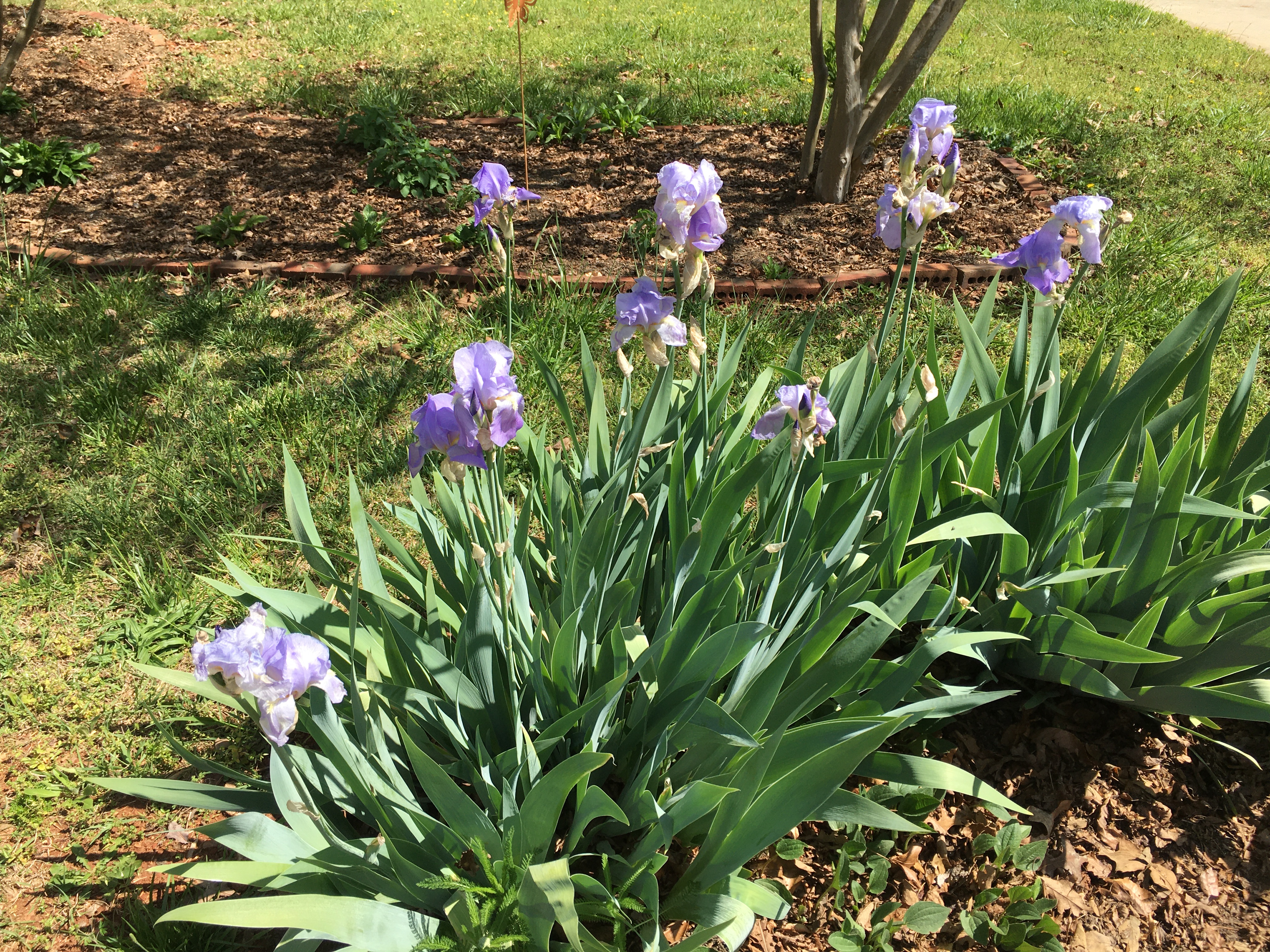
Our mailbox irises are bustin' out all over. 
I love that I can see these from the front window.


Not sure if you can see this,
but I noticed the two varieties of carrots
have very different germination rates.
Danvers 126 (top row) has about three times the seedlings
than the Tendersweet variety.
 Duly noted for next season.
 

The strawberries are coming on strong!
Soon it will be time for some serious sampling!
 
 
Some of our containers were seeded with an herb and flower combination.
Can't wait to see these getting filled up with goodies!
(The wire on top discourages squirrels from digging.)


We had another frost just the other night,
and I didn't want the potatoes to have to struggle to stay warm.
I used some cloches made from 2-liter bottles
and these bins to cover the crops.

 
The next day, they were just fine.
Hopefully, this is the last of the cold weather 
until autumn.


 The potatoes in the buckets were simply covered with a lid to keep out the cold.
Even though I know they would recover from the frost,
the fear of stunting their growth was enough for me to act this time.
 

A soil sample was taken from the blueberry patch.
These were planted last year and I wanted to compare the numbers
from the initial sampling to see if I've done enough to acidify the soil.
In a matter of weeks, I'll have my answer.
Want to know how to take a soil sample?
Read this.
 

  Our woodland garden is coming along.
I keep adding shade loving plants to our backyard,
as it is wooded.
It was a thrill to see these hosta plants pop up,
for I had all but lost hope that they would return.
Along with Soloman's Seal and Toad Lily,
it's beginning to fill in slowly but surely.


 This particular yarrow plant is taking up too much space
in the front flower bed.
It's making it difficult to see the gorgeous poppies,
so maybe I'll just swap them out.
After it finishes blooming, I will relocate it elsewhere,
or simply divide it.
The flower beds are enjoying the newly installed irrigation!


 A trip to the IGA was made earlier in the week,
and I may have gone a bit crazy.
There were so many perennials for sale,
and at $2 a pop, it was more than I could do to resist.
I've never grown stevia before,
but look forward to learning more about this natural sweetener.
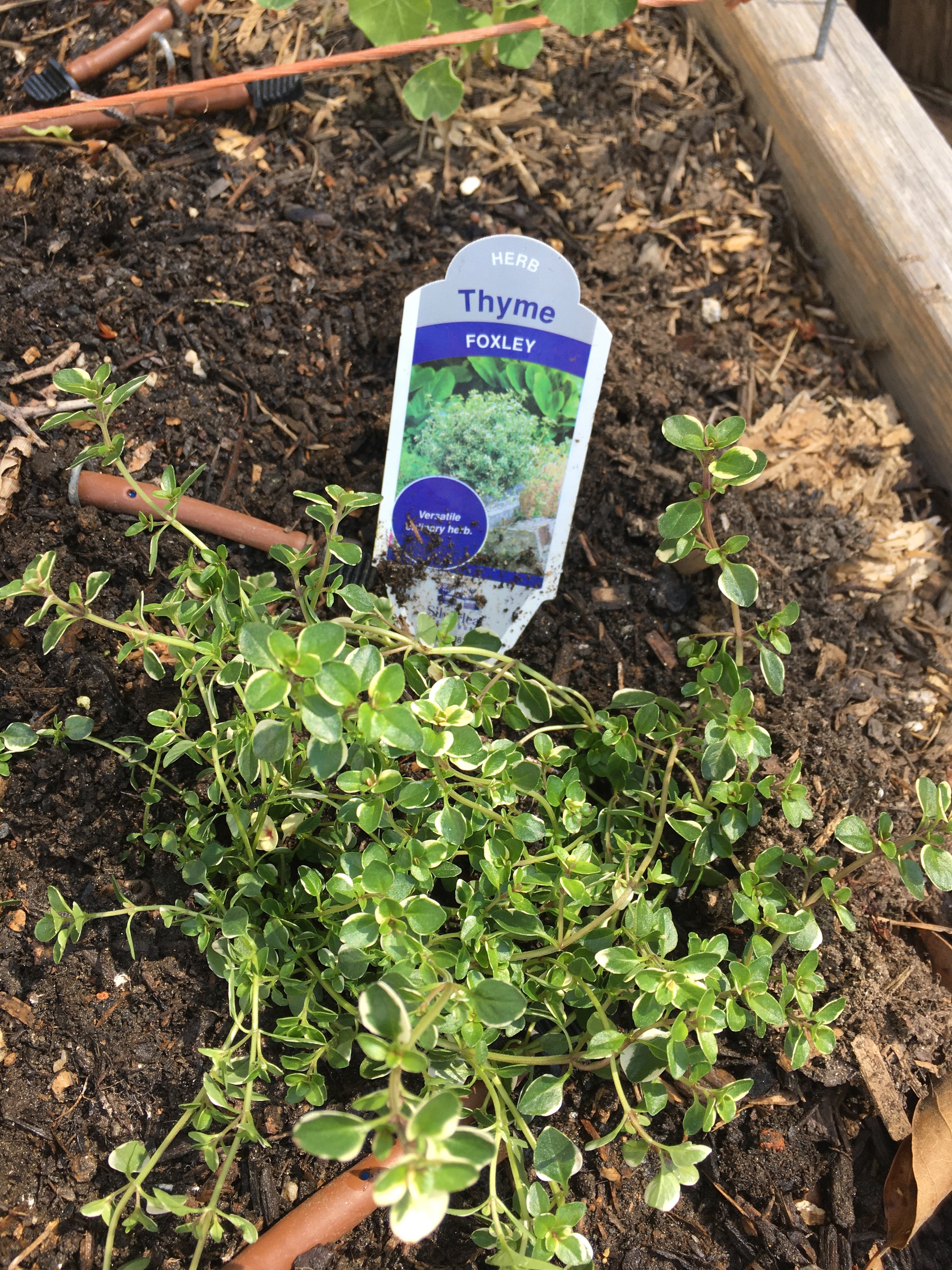

A couple of different thyme plants were picked up,
as well as coneflowers, Gerbera daisies, alyssum,
and a few other odds and ends.
About the only type of shopping I enjoy is nursery shopping.
 
 
One of our neighbors gifted us with two different azaleas.
This one is called Florida Flame.
I can't wait to see them both in full bloom!


 Would you look at the sweet lil' flowers on this chive plant?
I think I see some potato salad in my future!


 There are always more pots to fill,
and I look forward to making a few more trips to the nursery
before the spring is over.

Spring has sprung, baby!

Thursday, May 3, 2018

How to Take a Soil Sample


It looks like (fingers crossed) spring is here to stay!
With so much activity going on in the garden,
it's a great time to do some soil testing.
This is something I've heard about for years,
but never took the time to get it done.
Having been in our home less than a year,
it seemed like the perfect time to start fresh
and see what the soil around our property needs
for better results in our flower and veggie beds and in the turf grass.


Everything you need to take the sample(s) 
can be collected at your local cooperative extension office.
You can find your local extension office by searching on your county's web page.
Here is our local extension office page.
These boxes can be acquired for the asking, 
and are the containers in which you will place your sample(s).

Directions can be found right on the box!
There is a side panel that needs to be filled out with your name
and contact information,
so that the results can be relayed to you via email.
Each separate area requires a different box.


You'll also need to fill out  a sheet similar to this one. 
This is the front and back of the form,
so you can see what it looks like.
Don't let all the text intimidate you,
it's fairly easy to fill out.
And if you're not sure you are doing it correctly,
just call your local extension agent
and they can walk you through the process.


 The information sheet (that gets handed in with your sample(s),
contains things like your contact information,
what type of samples were taken (flower beds, veggies beds, lawn)
and your local extension information should already  be pre-printed on the page.
Crop codes for the type of samples can be found on the back page.
This simply helps determine what kind of crop is in this location. 
Blueberries, veggies, and roses all need different conditions, 
so it's important to make the distinction.
"Sample identification" is a self-determined abbreviation for the area being sampled.
For example, for my flower beds, I used the code FLBED.
I completed samples for our lawn, a future veggie bed,
flower beds, the back wooded area of our property,
and the SW portion of our driveway
so I included my own abbreviation for each area.


 The Extension Center is all about supporting the gardener.
They can provide you with printed material to make the process easier.
Information can also be found online on their website.


 Here's how I completed my soil sample.
I chose a day when it hadn't rained in a while,
because I wanted the "plugs" I removed to be easily mixed.
The idea is to take 10-15 core samples, from 4-6 inches in depth within one area,
and mix them together in a clean container to incorporate a fair sample of that spot.


Once you have blended your "plugs", place the mixture into the designated box,
and fill up to the pre-determined line.


Once you have all of your samples ready to go,
simply take them into your local extension office with your information sheet
and wait for your results in your email  box.
At this time of the year,
soil testing is done free of charge.
Once you get your results back, 
you can determine what amendments might need to be added
to improve your soil for the next growing season.
Testing can be done every few years
and each time it is undertaken, it improves your soil
and brings you that much closer to  
soil nirvana.

I'm looking forward to getting the results for our samples.
There are so many gardening projects that I have bouncing around in my head,
and this is the first step to bringing them to fruition.

Have you done soil sampling in your garden?


find it here